FYB Online Library
Asana, in Sanskrit, means ‘posture’, and ‘seat.’ When you’re practicing asana, I encourage you to keep in mind two words as a way to understand your physical capacity in any given moment.
Sthiram sukham (stable and comfortable/ease), are two words used in Patanjali’s Yoga Sutras to define asana. If the body is in pain, shaking, or winded, for example, during practice, then the asana may need to be adjusted so it is stable and easeful. Using the breath to guide the physical movements is one way to move within a comfortable range. You got this!

This 15 min practice is perfect for waking up your system in the morning, or whenever you need a quick break to tune in and loosen up your joints. This practice is led in a standing position, but can also be done seated.

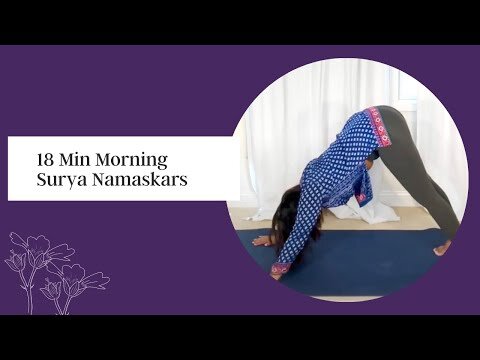
This under 20 min practice guides you through several variations of Surya Namaskar (Sun Salutations).
This is a great asana practice to begin your day with, as it slowly builds energy and warmth through your whole system.
You will need a mat and a block or chair for your forward bends.

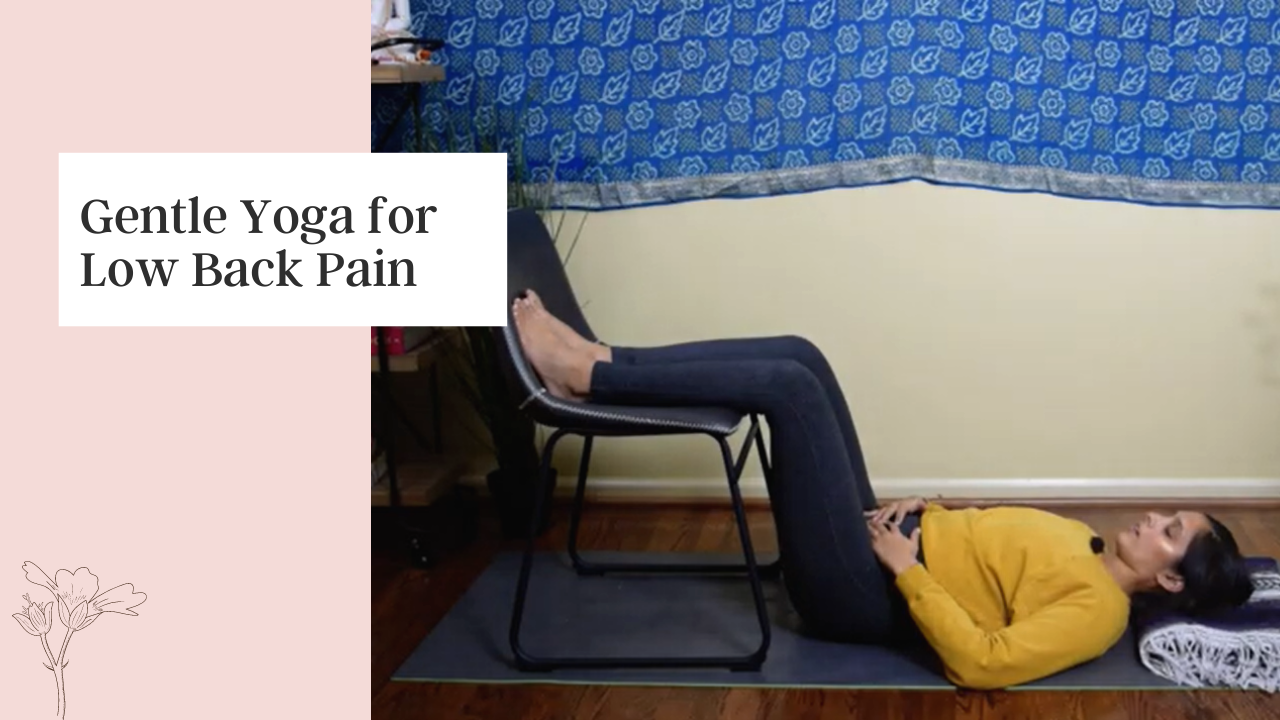
This is my favorite practice for creating more space in the lower back after spending many hours sitting or standing. By using postures like supported bridge and elevating the legs, the lower back gets a chance to release and decompress.
Accessibility
This practice has lying down postures, and can also be practiced on a massage table or a firm bed.
Contraindications
Avoid if you are currently pregnant.

Take 15 minutes to relieve strain and stiffness in the wrists and shoulders with this accessible practice. This practice is ideal for those who spend much of the day on computers, phones, driving, or writing — as in, most of us =).
Accessibility Considerations:
This practice has primarily seated postures and movements on hands and knees, but you can do the whole practice seated if needed
Contraindications:
Currently experiencing severe wrist or shoulder pain

Energize the body and uplift your mood with this short, but sweet invigorating chair yoga flow. With gentle chest opening movements and active hip openers, this class is ideal for dispelling doubts and strengthening one’s convictions.
Accessibility:
Entire practice is done seated in chair, but you can also use an ottoman or stool.
Contraindications:
Be gentle on the arm movements if you have a neck or shoulder injury.
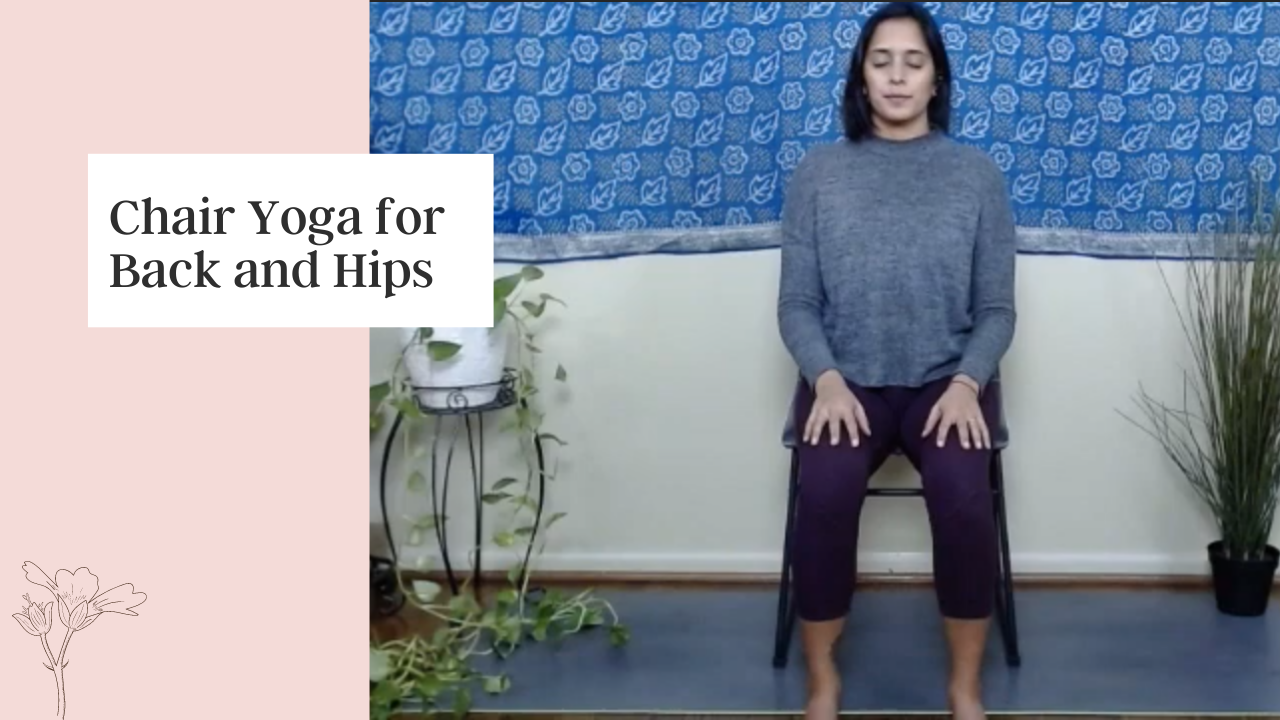

Rest in the quiet awareness of this chair yoga practice for reducing back pain. Inviting the movement to be guided by your breath is just one of many tools in this practice to calm the mind and soften tension.
Accessibility
This practice involves seated postures in a chair/stool. You can add a pillow behind your back for extra support.


This practice focuses on balance, both on a physical and mental level. With an extra emphasis on the hips, low back, and legs, this practice explores how to evenly distribute effort. I also invite you to reflect on rather than ‘creating MORE balance,’ how you can create space for it to reveal itself. What needs to be reduced or increased so that you can come back to your truest nature, which is ‘balance’ in itself?
Accessibility:
There are options and demonstrations on how to do many of the postures seated in a chair.
If you’re pregnant, pls keep a chair or be near the wall to support you with balance.
Contraindications
If actively experiencing vertigo.

This 45 minute breath-led asana practice encourages the entire spine to strengthen and lengthen through standing and lying down postures. This is a great practice to do before or after your workday, especially if your work has you sitting down for long periods of time.
A strong back is crucial for overall health and longevity and encourages us to stand tall with dignity and ease.
Accessibility:
For back stiffness and pain, have a chair to rest your hands on so you don’t need to bend all the way down
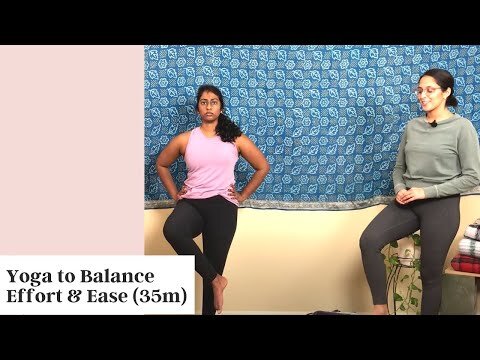
This 35 minute asana and breath practice will call upon you to notice that subtle but significant balance between effort and ease. This class draws on balancing postures, such as variations of Vrksasana tree pose, and other foundational standing asanas.
Accessibility Considerations:
Chair option for the balancing asanas.
Use wall to support with balancing asanas.
Contraindications:
Vertigo
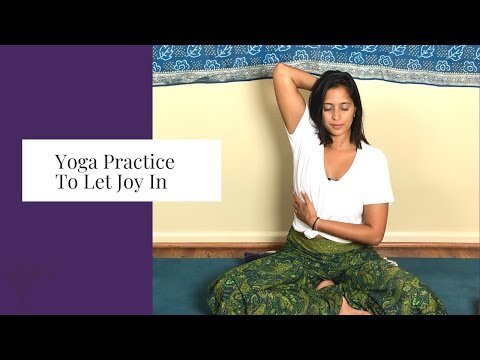


A 25 minute asana and pranayama practice focused on opening the chest and upper back, and being rooted in your confidence. This practice offers seated modifications for standing asanas.

Invigorating Self-Massage with NIBLS

Morning Energizer Practice with NIBLS
This 20 minute practice focuses on asana that help the body and mind come back to place of balance. This is a great practice to do in the morning or during a midday break when you need support focusing!
Props:
Wall, chair, or table you can use to help you balance
2 blocks (optional)